The United States and Iran have reached a landmark peace agreement to end nearly four months of escalating military confrontation, with both nations agreeing to immediately cease hostilities and begin a phased diplomatic process that could reshape security and economic stability across the Middle East.
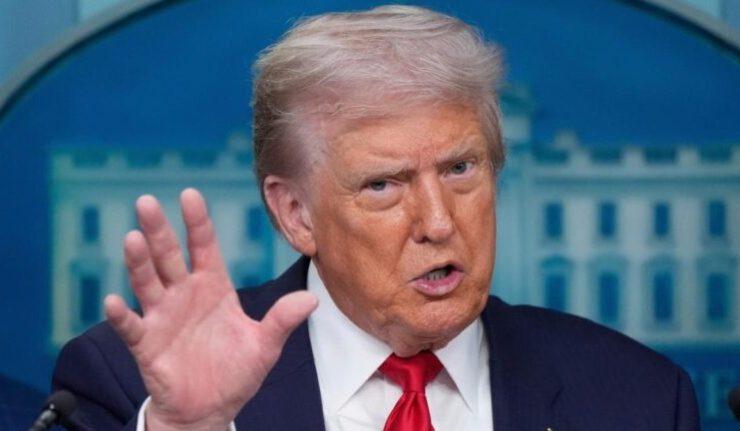
United States President, Donald Trump, announced the breakthrough on Sunday, declaring that military operations between both countries had officially ended and authorising the immediate reopening of the strategically critical Strait of Hormuz.
“The Deal with the Islamic Republic of Iran is now complete. I hereby fully authorise the toll-free opening of the Strait of Hormuz and, simultaneously herewith, authorise the immediate removal of the United States Naval blockade”, Trump wrote in a post on his Truth Social platform.
The agreement, reached after weeks of intensive backchannel negotiations, marks the most significant diplomatic breakthrough between Washington and Tehran in years, following a conflict that disrupted global energy markets and heightened fears of wider instability in the Middle East.
Pakistan Prime Minister, Shehbaz Sharif, whose government mediated talks between both countries, also confirmed the development in a statement issued Sunday.
“Following intensive talks, we are pleased to announce that the Peace Deal between the United States of America and Islamic Republic of Iran has been reached”, Sharif wrote on X, adding that a formal signing ceremony is scheduled for June 19 in Switzerland.
According to a senior Iranian official familiar with the negotiations, a final draft Memorandum of Understanding between Washington and Tehran has already been prepared, covering a broad range of issues including Iran’s nuclear programme, sanctions relief, reopening of international shipping lanes, and the phased normalisation of economic relations.
One of the most consequential aspects of the agreement is the immediate reopening of the Strait of Hormuz, one of the world’s busiest and most strategically sensitive maritime trade routes through which nearly a fifth of global oil supply passes daily.
Under the terms of the draft agreement, Iran is expected to immediately reopen the Strait of Hormuz to all commercial shipping traffic, while the United States would begin lifting its naval blockade on Iranian ports immediately after the memorandum is signed, with full implementation expected within 30 days.
The United States reportedly agreed not to impose new sanctions on Iran while negotiations continue toward a final settlement. Upon completion of a permanent agreement, both U.S. and United Nations sanctions imposed on Tehran would be lifted according to an agreed timeline.
In a major financial concession, Washington is also expected to temporarily waive restrictions on Iranian oil exports, allowing Tehran to resume overseas crude sales and regain access to international revenue streams.
Additionally, the draft agreement reportedly includes plans for the release of approximately $25 billion in frozen Iranian assets through direct transfers, regional financial cooperation mechanisms, and international credit arrangements.