

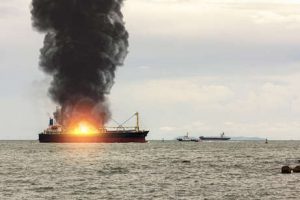
Global oil markets have entered a new phase of volatility following coordinated U.S.–Israel strikes across Iran, a development that has sharply heightened geopolitical tensions in the Middle East, the world’s most critical oil-producing region. Even before any confirmed disruption to physical supply, markets have begun reacting to the risk of escalation, with traders building a geopolitical premium into crude prices.
The Middle East accounts for a significant share of global crude output and exports, and Iran remains a key player within that network. The mere possibility of retaliatory action or threats to strategic shipping routes such as the Strait of Hormuz through which a substantial portion of global oil shipments passes is enough to unsettle energy markets. Historically, such tensions have triggered upward movements in benchmark crude prices as investors anticipate potential supply constraints.
For Nigeria, the implications of rising crude prices extend far beyond global headlines. Although Nigeria is a major oil producer, it remains heavily exposed to international pricing dynamics. Petrol pricing under the current deregulated regime reflects prevailing global crude prices and exchange rate conditions. This means that when crude becomes more expensive internationally, domestic fuel costs often follow.
Crucially, the Dangote Refinery which has begun supplying petrol into the Nigerian market sources crude oil at international market rates. Should global crude prices rise in response to the ongoing tensions, the refinery will likely procure its feedstock at higher prices. Increased crude input costs could translate into higher ex-depot prices for petrol, which in turn may filter through to retail pump prices nationwide.
In addition, Nigeria continues to rely partly on imported refined petroleum products, and higher global oil prices would raise the landing cost of those imports as well.
The ripple effects of fuel price increases are rarely confined to filling stations. Petrol and diesel are central to transportation, logistics, manufacturing, and power generation. A sustained rise in fuel costs typically results in higher transport fares, elevated food distribution expenses, and increased operational costs for businesses. Diesel prices, in particular, have a strong multiplier effect on the economy, given their role in moving goods across the country and powering generators in areas with unstable electricity supply.
Exchange rate movements may further amplify the impact. If crude prices climb while the naira remains under pressure, the cost of importing refined products could increase even more sharply, compounding domestic price adjustments and adding to inflationary pressures already affecting households.
The extent and duration of any fuel price impact will depend largely on how the geopolitical situation unfolds. If tensions are contained quickly and oil supply routes remain secure, price spikes may prove temporary. However, if instability persists or escalates, global crude prices could remain elevated for longer, increasing the likelihood of upward adjustments in Nigeria’s petrol prices in the coming weeks.
In essence, while the strikes across Iran are unfolding thousands of miles away, their economic consequences could be felt much closer to home. For Nigerian consumers and businesses, volatility in global oil markets is not merely an international development it is a signal that fuel and transportation costs may soon face renewed upward pressure.

