By Ayo Kehinde
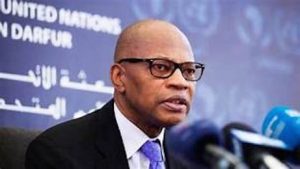
Mohammed Ibn Chambers
The Colonel Mamady Doumbouya led-Guinean military junta has rejected ECOWAS Special Envoy, Mohammed Ibn Chambers, who was recently appointed by the regions’ organisation to Guinea.
Chambers, a multi talented diplomat, whose track record and diplomatic prowess are widely respected in the region and beyond, was rejected by the Guinean government, in its latest move to fend off what it regards as the continued interference of ECOWAS in the internal affairs of the country. Col Doumbouya recently tongue-lashed ECOWAS leaders for allegedly abetting ousted President Alpha Conde in changing the country’s constitution to run for another -5-year, third term.
Conde had in March 2020 conducted a constitution referendum, which among other things changed the tenure of presidents from five years to six years and removed the two terms limits for him. At the time the amendment was done, Conde was nearing the end of his second term in office. The October 18, 2020 election itself was tainted by pre-and post-election violence. No fewer than 30 people were killed and hundreds of opposition members were arrested and detained. In 2019, when the plan for a constitution change was first announced, violence erupted. It lasted for months and claimed at least 90 lives.
Guinea and Mali, also under military rule, are currently the two countries in the region challenging the authority of ECOWAS member states.
Mali recently expelled its ECOWAS Special Envoy from Bamako over the junta’s decision of non- compliance of ECOWAS decision of holding elections in Mali on 22 February 2022
Guinea’s current decision of rejecting Mohammed Chambers, a well respected diplomat who excelled himself in the UN, confirms a looming crisis in the West African Region.
Meanwhile, there have been four successful coups in Africa between 202o and 2021, making pundits worry if the old, discarded era of post-independence military regimes are staging a comeback; there had been successful coups in Chad, Mali and, Guinea and failed military takeovers in Niger and until recently, Sudan.
Sudan has the highest since independence, 17, but is still battling with current coup that is widely regarded by the Sudanese people as unpopular, leading to mass protests ongoing in the streets of Khartoum
The re emergence of coups in Africa attests to failed political leadership through thirds term syndrome, corruption and others, while the military junta could not provide viable leadership alternative, as demonstrated in countries like Nigeria, Sudan and others.