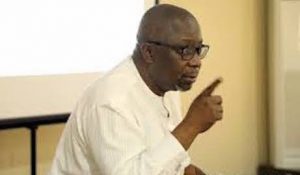
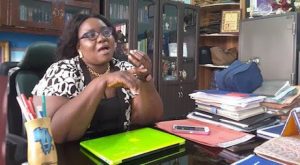
Mr Dapo Olorunyomi, Ms Ibim Semenitari,
Worried by the impact of the COVID-19 pandemic on the media industry, Media Rights Agenda and BONews Service recently held a Twitter Chat with the theme: Ensuring the Survival of Media in the Face of a Global Pandemic – The Role of Governments.
Panelists during the chat included Dapo Olorunyomi, Publisher of Premium Times, Toun Okewale Sonaiya, CEO of Women FM, 91.7, Ibim Semenitari, Editor and Information Management Specialist and Ted Iwere, CEO of SME Media Limited, while Edetean Ojo, Executive Director of MRA moderated the session.
According to Ojo, the recent move by the Broadcasting Organizations of Nigeria, Independent Broadcasting Association of Nigeria and Nigeria Union of Journalists to seek government’s financial assistance to overcome the effects of COVID-19 on the media has evoked understanding from some media stakeholders concerned about the survival of the media and a lot of anxiety among others about the potential negative impact of financial support to the media by Government for media freedom and independence.
“There are no easy answers to this conundrum. It is for this reason that the Media Rights Agenda and BONews Service have assembled a team of wise and seasoned panelists to help us navigate the issues. Perhaps we can get some ideas about how to eat our cake and have it!” he said
Questions before the panelists and other participants dealt broadly with the state of the media before COVID-19 and then its impact as well as the move by government to extend bailout to the media on the media and the implication of that move on editorial independence
On the first question about the distress in the media before COVID-19 arrived on the scene; Mr. Iwere, Sonaiya and Olatunji Tolulope said the media was challenged financially before the pandemic, the disease merely “accelerated the bad-pre-existing conditions, making it worse for the media”, they said.
“It was an already struggling media space in Nigeria. PreCovid-19, some print media were struggling with limited advert placement. The gestation period to break even for media outfits was becoming longer and fluid. Some radio and TV and new media were barely surviving,” said Sonaiya.
On the assessment of the impact of COVID-19
on the media in Nigeria, Mr. Lekan Otufodunrin, Publisher of Media Career @lotufodunrin of @Mediacareerngr, @LadyEumukoro, @BayoOlupohunda and Blessing Oladunjoye explained that the media has been struggling to survive before and during the pandemic because of low adverts, reduced number of pages for print publication and staff lay-off.
Iwere is supportive of this view. He said with limited or complete absence of commercial activities in the private and public sectors, the media took a direct hit. “It was struggling in the best times. Things just got worse under COVID-19,” he said.
For Semenitari, “perhaps the first question is whether the media was surviving before COVID 19?”
“Traditionally, the business model that supported media production has been advertising and sales. In between, innovative media houses had always augmented with events and some form modest subscription,” said Olorunyomi.
Going to the government for tax rebate is a sensible move because, according to Semenitari, “ it will take away a major cost factor in their business and that will free up cash for salaries and other operations.
What about media appeal for stimulus packages or programmes for media?
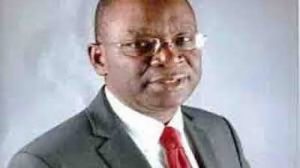
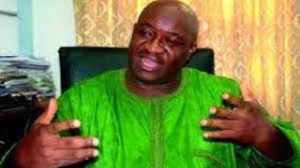
Mr Ted Iwere, Mr Edetean Ojo

Ms Toun Okewale-Sonaya
Iwere expressed excitement about it. He said if granted, it would be a breather for BON members. “It will free money for members to deploy to other critical areas of their operations. The overall effect of lowering their operational costs will improve their bottom line. It will be a kind and welcome relief.”
Segun Fatuase however was cautious and warned, “It is a bait that will “hook the throat” of broadcast stations eventually.
Sonaiya disagreed. “It would make a huge impact indeed. “When you spend a sizeable chunk of your savings providing your own infrastructure and paying salaries, you’re left with little savings to rely on for a pandemic like COVID-19. This is our reality in Nigeria compared to a UK media.
“Nigeria’s large infrastructure deficit is more impactful on private media especially those in the category of SMEs where you have to provide own electricity, water, security, road to an extent by contributing to neighbourhood initiatives to fill pot holes etc, like we do,” She said.
On the 2-month government’s licence fee waiver for terrestrial broadcast stations in Nigeria, opinion was divided
Olorunyomi was miffed by the move. “At best, this should be treated as a joke. Certainly, it helps us understand the government has no understanding of the central role the media plays in the development of democracy, “ he said.
Uncertainty greeted the question regarding government’s financial assistance to private media organizations to ensure their survival or sustainability.
“The media can be given concessionary credit with long tenor, subject to conditions that the monies will return to the public treasury,” said Iwere
The question of the likelihood of interference in the editorial judgment of the media following government bailout elicited divergent views
Sonaiya said press freedom and media independence are key in the democratic process, adding that a credible media will not allow itself to be muzzled because of any intervention from government or donor.
That is, “If it is managed by a fiercely independent body and institution manned by men and women with a transparent sense of principle and demonstrable commitment to democracy, civil liberties and an unalloyed believe in freedom of expression,” said Olorunyomi.
Iwere clarified further; “To give support in a fair and transparent way, beneficiaries must meet certain conditions precedent. Only media houses that satisfy the set standards should benefit. Such a programme should not operate without plan or purpose”