

By Ayo Kehinde
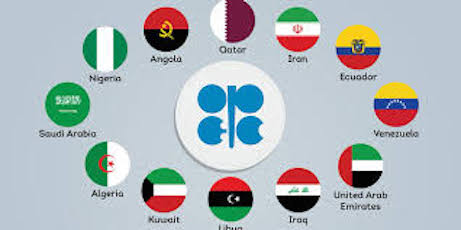
Oil prices tumbled to a 12-week low on Monday after the Organization of the Petroleum Exporting Countries (OPEC) and its allies, collectively known as OPEC+, confirmed plans to increase oil production in April.
Brent crude dropped by 2% to trade below $72 per barrel, its lowest level in nearly three months, while U.S. West Texas Intermediate (WTI) crude declined by $1.39, or 2%, settling at $68.37 per barrel.
OPEC+ has been implementing production cuts since 2022 to stabilize the market, with reductions totaling 5.85 million barrels per day—approximately 5.7% of global supply. Initially, the alliance had planned to begin unwinding these cuts in September 2024, but Saudi Arabia and seven other members opted to delay the move.
However, in a statement on Monday, OPEC+ announced a “gradual and flexible return” of 2.2 million barrels per day over the next 18 months, marking a shift in its output strategy.
The countries set to increase production from April include Saudi Arabia, Russia, Iraq, the United Arab Emirates, Kuwait, Kazakhstan, Algeria, and Oman. The statement also noted that all other existing production cuts would remain in place.
OPEC+ emphasized that the planned output increase could be paused or reversed depending on market conditions, stating that the flexibility would help maintain oil market stability.
Meanwhile, broader economic concerns, including potential U.S. tariffs and their impact on global activity, have already weighed on crude prices. Oil is now down more than 10% from its January peak of $82 per barrel.
Adding to the pressure, U.S. President Donald Trump recently called on OPEC+ to lower oil prices, reiterating his stance during a speech to business executives at the World Economic Forum in Davos.

