By John Okoh
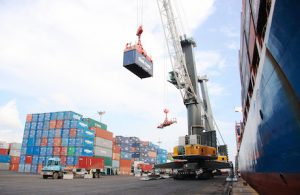
After taking a tour of four Nigerian ports terminals in the face of lingering port congestion, the International Monetary Fund, IMF, has expressed dismay over the absence of critical infrastructure in the areas of scanning machines for Customs work, poor logistics, poor, m network of roads and absence of a National Single Window platform.
APM Terminals, Greenview Development Nigeria Limited (GDNL) owned by Dangote Group, and Port & Terminal Multi-services Limited (PTML) are the critical areas of the port visited at the weekend by IMF team, led by Senior Resident, Representative for Nigeria African Department, Mr Amine Mati, preparatory the compilation and publication of the IMF Economic Outlook Review for 2020.
Speaking at the end of the tour, Mr Amine Mati disclosed that the delegation from IMF was on the visit to inspect the port activities and determine the challenges, the priorities and policies put in place by the Federal Government.
According to Mati, “We were able to discuss the port congestion and noted that the clearance time still remains challenging. We are trying to determine the different policies and priorities put in place, particularly the scanners, national single window. It is very important to accelerate these processes. The roads outside the port are also important for efficiency.
“As trade is picking up, the port is an important aspect of the Nigerian economy, particularly in Lagos where the activity is.
“The Nigerian port is challenging. Some of the challenges remain the logistics, the scanners, the single window clearance process. All of these challenges needs to be accelerated so that goods can be discharged quickly.
“This is part of our field visit. We carry out an annual check-up of the economy to determine the performance and challenges. We are also meeting with the government and the private sector. Our report would be published after March 30th.”
Executive Secretary of the NSC, Hassan Bello, who received the team said the IMF Economic Outlook review is very important to Nigeria, especially now that the country is facing economic challenges for diversification of source of revenue.
Bello who described Nigerian ports as a major port in North and Central African region attracting 40-60 per cent of all the cargoes, however agreed that the ports were still in dire straits twelve years after private operators won the concession by the government.